Initial experiment plans for PhD entry
July 12, 2021
Table of Contents
Aim
- Recognize different drilling stages
- Find the influence of subsampling frequency and its relations with drilling parameters
- Parametric effects on borehole quality
Experiment methodology
Cutting workpiece
Composition
- CFRP
- Aluminum
Size
50mm * 50mm
Joint
Clamped by bolt and screw
Drilling tool
Twist drills
Collected data
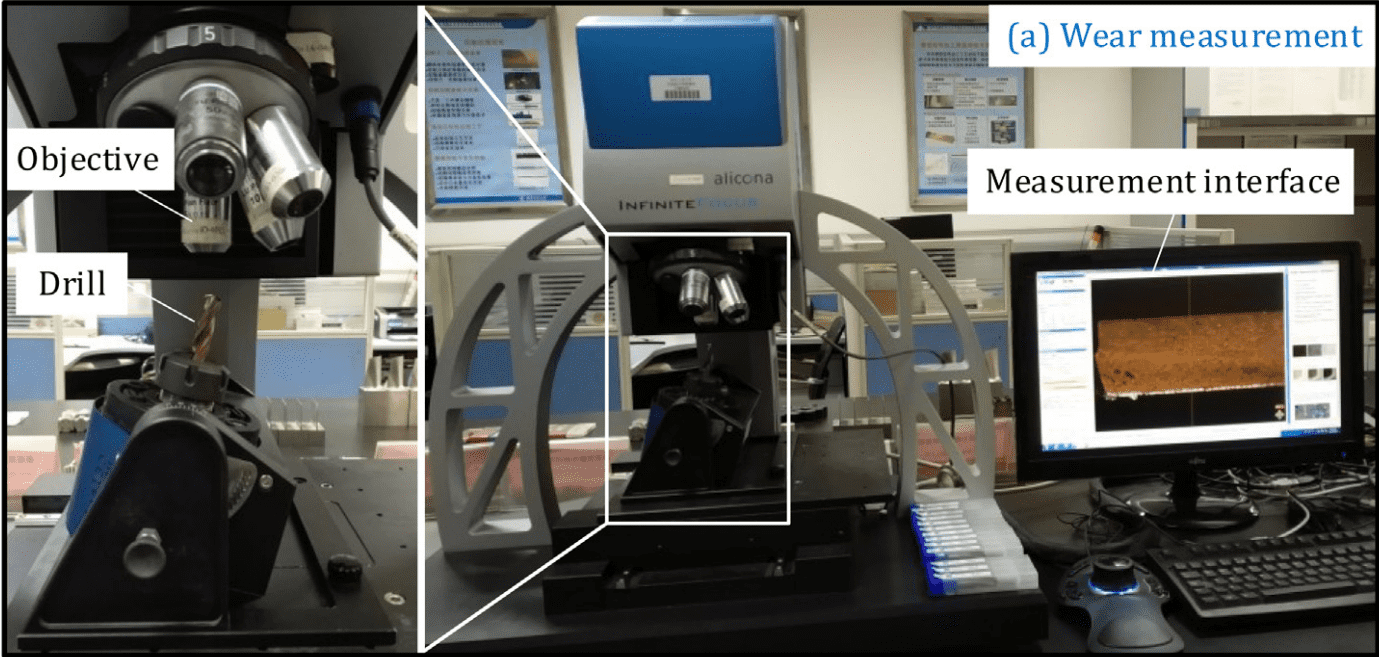
Drilling signal will be collected when tool wear, the thickness of both aluminum layer and CFRP will be measured.
Every time before drilling the next holes, the build-up edge and the residual chips in the drill flutes, if any, were cleared away to eliminate the influence of chips on the drilling forces.
Sampling frequency
10000 Hz according to most researchers
Signal
The following signal will be collected by sensor
| Signal type | Sensor |
|---|---|
| Acceleration | Dynamometer |
| Force | Dynamometer |
| Acoustic emission | AE sensor |
| Spindle power | \ |
Optical measurements
- Tool wear
- Flank wear
- Crater wear
- Chisel wear
- Outer corner wear
- Cutting Edge rounding
- Thickness of aluminum and CFRP layers
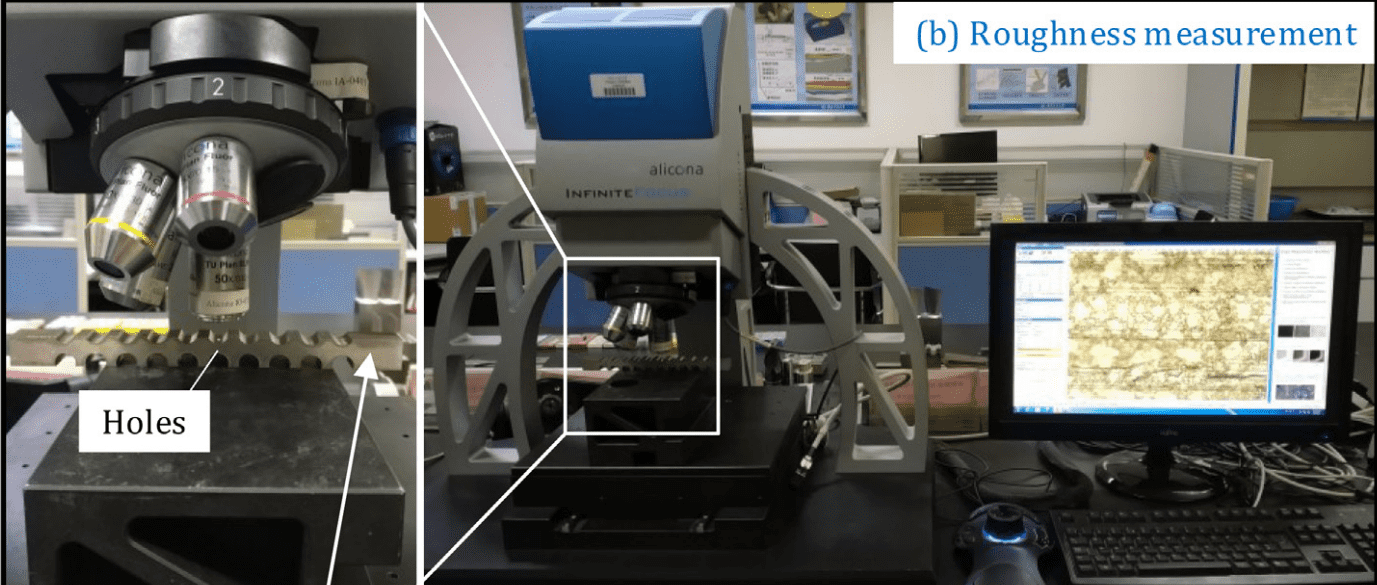
- Borehole surface roughness
For Tool wear
For borehole surface roughness
CFRP dummy plate
To extend tool life
Variant cutting parameters
Drilling setup could follow recommended parameters from tool manufacturer’s manual
- Spindle speed(rev/min)
- Feed rate(mm/rev)